Yoga for Neck & Shoulder Pain
Best Yoga for Neck and Shoulder Pain Relief
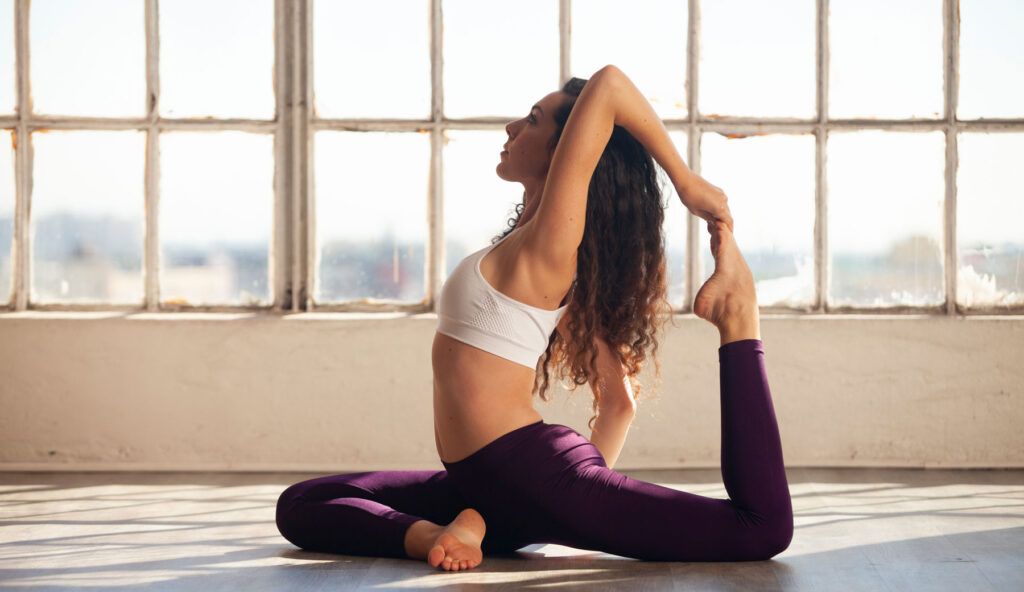
Ease Your Pain with Neck Pain Yoga and Shoulder Pain Yoga
In the busy life of today, pain in the neck and shoulder region is becoming quite prevalent. This pain is often caused by spending a lot of time sitting at the desk, staring at your mobile device screens, improper posture, repetitiveness, and even daily stress.
The team of Upaasana Yoga Center, Siliguri, focuses on finding the cause of your pain and treating it through our Neck Pain Yoga and Shoulder Pain Yoga classes, which focus on increasing mobility, reducing muscle tension, strengthening surrounding muscles, and good posture.
What Causes Neck And Shoulder Pain?
Neck and shoulder regions work together to support the head and make its movement easy. Repeated exposure to poor movement of the neck muscles leads to neck pain.
Lifestyle Causes of Neck and Shoulder Pain
Some activities you do regularly can lead to pain in your neck and shoulder area. They include:
- Spending hours working on computers with improper posture
- Looking down at your smartphones and tablets for a long period
- Constantly sitting without breaks for movement
- Carrying heavy backpacks or handbags on one side
- Inadequate neck support during sleep
- Long driving
- Performing repetitive movements that strain the upper part of the body
- Emotional stress that makes the neck and shoulder muscles tighten
- Physical Factors
Besides the lifestyle-related factors above, several physical factors might lead to neck and shoulder problems:
- Tight neck and shoulder muscles
- Weak muscles of the upper back and shoulder girdle
- Lack of joint mobility
- Low flexibility
- Spinal misalignment
- Rounded shoulders and forward head positioning
- Restricted joint mobility caused by inactivity
- Knowing these factors can be an important way to improve your movements and avoid future stiffness.
- Signals Your Neck and Shoulders Require Care
Discomfort in the neck and shoulders tends to develop gradually. Being aware of the initial symptoms allows you to react on time before the stiffness starts hindering your daily activities.
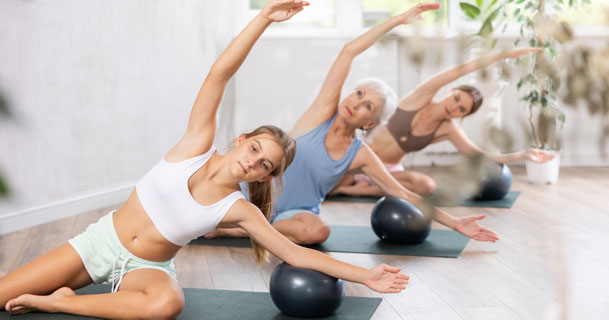
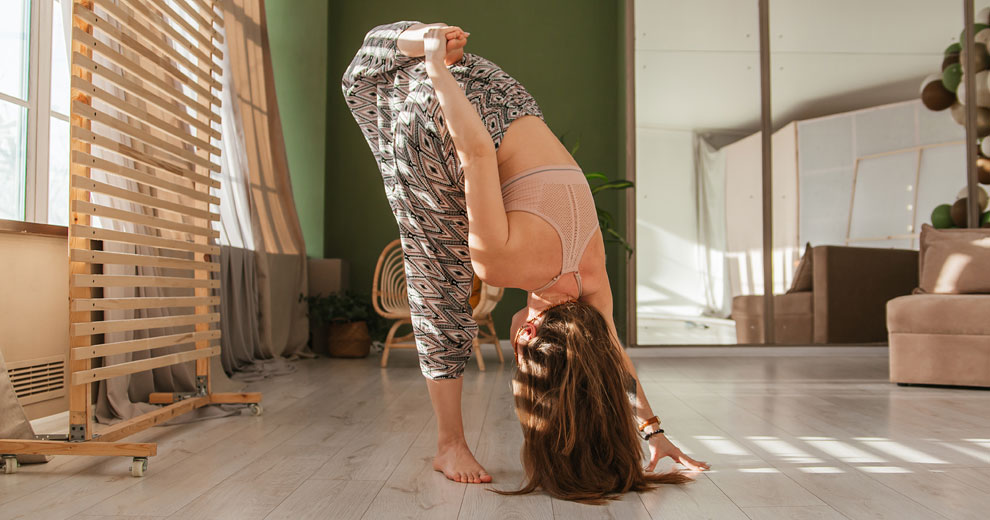
Here are some symptoms you might experience:
- Constant stiffness in the neck, particularly after long hours of sitting
- Uncomfortable head turning
- Tightness in the shoulders and upper back area
- Pain when lifting or reaching above the head
- Restricted joint flexibility of the shoulders
- Regular tension headaches due to muscle tightness
- The feeling of heaviness in the neck and shoulders
- Discomfort that increases after long hours of work at the computer or mobile phone usage
If you have these symptoms or experience them regularly, integrating Yoga for stiff neck into your health regimen will be beneficial for increasing flexibility, developing good posture, and promoting easier movement.
How Neck Pain Yoga and Shoulder Pain Yoga Help
Yoga is considered one of the best approach the helps movements become more flexible with its stretches. Alongside, stretching makes muscles flexible, and easy for people to perform daily actions. With continuous practice, one can easily improve their flexibility. While flexibility may allow you to move your neck and shoulders more freely.
Increases Flexibility
Stiff muscles often limit your normal movement and cause stiffness. Stretching makes these muscles more flexible, making it easier for you to perform daily actions. With consistent practice, flexibility is gradually improved, allowing you to move your neck and shoulders more freely.
Builds Supportive Muscle Strength
Strong muscles in your shoulders, upper back, and neck help assist your spine and shoulder joints. Controlled yoga movements build this strength without overloading the muscles. Muscle strength development promotes good posture.
Improves Shoulder Flexibility
Limited shoulder flexibility makes simple activities such as stretching, lifting, or even getting dressed feel uncomfortable. Our practice of Yoga for improved shoulder flexibility involves mindful movements, which promote good joint function while increasing flexibility and coordination.
Improves Posture
Bad posture is one of the major causes of neck and shoulder pain. Slouching, rounding of the shoulders, and having your head in front of you increase the strain on the muscles supporting your neck.
The practice of Yoga encourages proper body alignment and enhances body posture through increased body posture awareness both while performing activities and resting. Improving posture may lead to reduced strain on the upper body parts.
Promotes Relaxation
There exists a connection between physical strain and emotional stress. Breathing exercises and mindful movement practices ease the nervous system and allow tight muscles to loosen up. It is not only helpful in yoga for neck pain relief, but also helps achieve relaxation.
Benefits of Practising Yoga for Neck & Shoulder Pain
Consistently practicing Neck Pain Yoga and Shoulder Pain Yoga has various advantages. Through consistent guidance, yoga can also improve movement and quality of life.
Benefits of the program could include the following:
- It gradually improves neck and shoulder flexibility
- Also helps in easing muscle stiffness release tension
- Improves posture and body alignment
- Works in decreasing upper back tensions
- Helps in improving breathing and relaxation
- Helps maintain balance and coordination
- Improves body movements in daily activities
- Tones muscles in neck and shoulders
- Helps to ensure good joint health
Every session at Upaasana Yoga Center is performed with consideration for gradual progress and proper practice for maximum safety and comfort. The program could also assist with boosting participants’ confidence through achieving better mobility and an active lifestyle.
Yoga Practices That Might Be Used in Our Program Sessions
At Upaasana Yoga Center, every individual has their own needs, flexibility, and movement pattern. Depending on your condition and experience level, sessions might include:
Exercises to increase neck mobility and decrease stiffness
- Stretches for shoulders to improve flexibility
- Practices to strengthen upper back muscles for better posture
- Movements to open chest area
- Spinal mobility exercises to encourage healthy movement
- Poses from restorative yoga to help relax muscular tension
- Relaxation techniques guided to relax physically and psychologically
- Breathing exercises (Pranayama) to assist movement and relaxation
Each class will progress at a pace allowing students to gain more awareness about their posture and movements without putting too much strain on the neck and shoulders.
Breathing Techniques That Assist Recovery
Breathing is an important part of yoga practice and helps relieve muscular tension. People tend to breathe shallowly under the effect of stress and pain, which leads to increased tightness of the neck and shoulder area.
Our classes may include such easy breathing techniques as:
- Diaphragmatic Breathing for more relaxed breathing.
- Anulom Vilom (Alternate Nostril Breathing) for balancing and relaxation.
- Bhramari Pranayama (Humming Bee Breath) to calm down and relieve stress-induced muscle tension.
The Link between Stress, Posture and Neck Pain
Stress and posture have much in common and affect the state of your neck and shoulders. Under the effect of stress, people subconsciously tighten the muscles of the neck, shoulders, and upper back.
Poor posture in the form of leaning toward the computer screen, slouching while sitting, and always being on a mobile phone leads to extra stress on the cervical spine and its muscles. Slow stretches help ease any tension in the muscles, and conscious breathing and relaxation techniques help your body release unnecessary tensions.
Habits You Should Have Besides Practicing Yoga
If you want to have an efficient yoga practice, some simple habits will help your neck and shoulders remain strain-free and mobile.
Some everyday habits that can improve your practice include:
- Sit straight while you work.
- Make sure that your computer screen is at the right height.
- Try not to look down at your phone for prolonged periods of time.
- Do movement breaks once every 30 to 45 minutes.
- Use a pillow that will hold your neck in the proper position.
- Do not put all the weight of the bag on one shoulder.
- Keep yourself physically active during the day.
- Consume sufficient amounts of water.
- Professional Guidance Is Important
While there are numerous yoga videos on the Internet, it may not be recommended to practice yoga without adequate guidance when facing neck or shoulder problems. Improper form and excessive stretching or performing movements that exceed your limits can result in additional stress rather than relief.
When Should You See Your Physician?
While yoga can improve mobility and promote general health and well-being, you have to know when medical consultation comes first.
Consider consulting a physician if you:
- Experience serious and acute neck or shoulder pain
- Have pain resulting from an accident or injury
- Experience constant numbness or tingling in your arms and hands
- Have significant weakness in your arms
- Cannot move your neck after experiencing an injury
- Have pain even though you have enough rest
- Once you have received the required medical assistance, therapeutic yoga can be integrated into your wellness routine.
Frequently Asked Questiones (FAQ’s)
Yes, our classes are suitable for beginners.
Practising twice or thrice weekly will help in increasing flexibility, posture, and mobility.
Yes, yoga can aid in relieving stiffness of shoulders with proper guidance.
Yes, since yoga helps in achieving proper posture.
In case of severe pain, injury, and numbness, it is recommended that you visit a physician.
Our Top Services